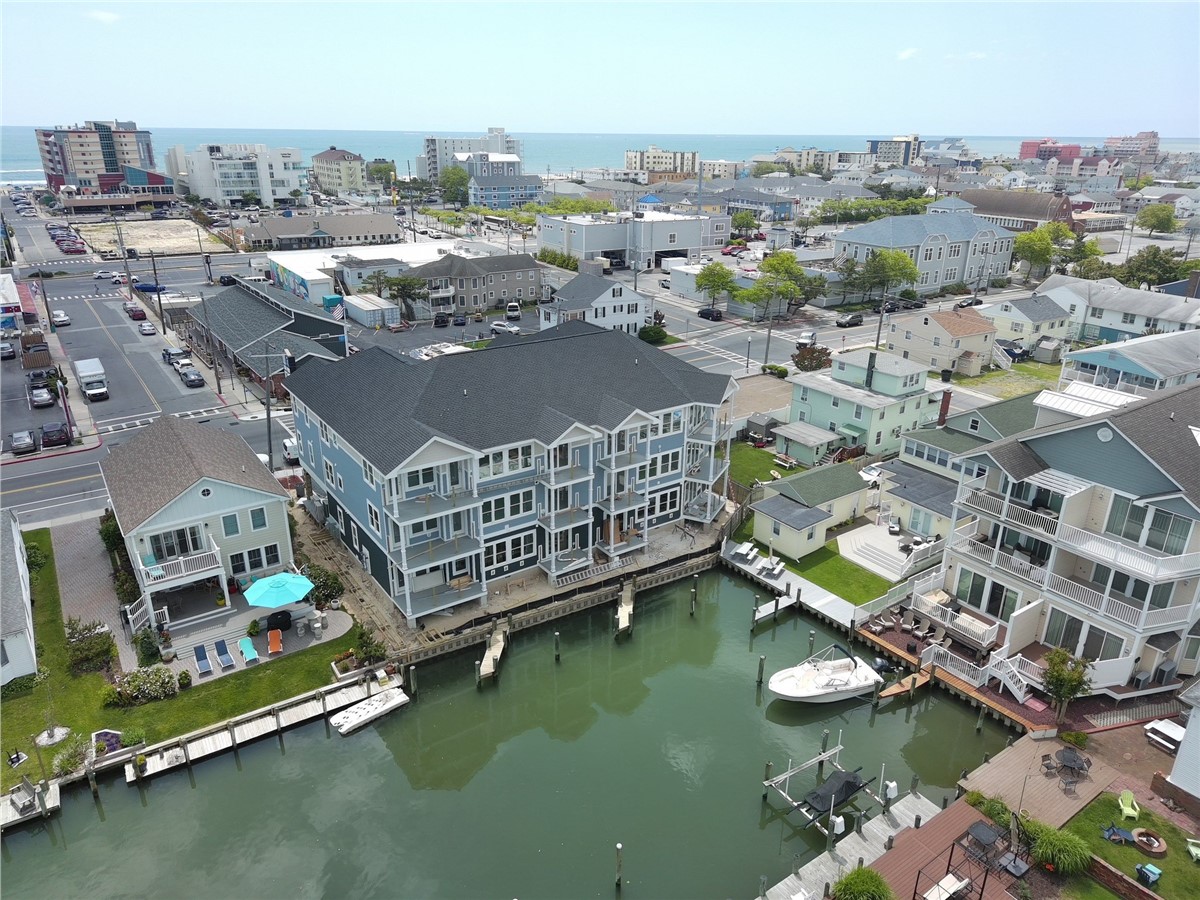
Those living on the Delmarva Peninsula experience classic coastal weather throughout an average year—hot and muggy summers, cool winters sprinkled with sleet and snow, as well as plenty of rainfall, thunderstorms and winds during the spring and fall. This means that your roof is up against challenging elements no matter the time of year!
Coastal weather conditions can degrade your roofing system over time, but there are plenty of steps homeowners can take to help their roof last to the end of its projected lifespan. Our team at Hershey Exteriors has put together a list of the top signs to be on the lookout for, and what you can do to keep your Delmarva roof in working order.
Sea Salt Spray & Delmarva Coastal Roofing
One of the main reasons our Delmarva customers call in for roof repairs is salt-air roof damage. Living on the coast means that there's often lingering salt spray in the air, which can lead to corrosion for multiple components of your roofing system. Salty air corrodes metal materials, such as fasteners, flashing, or complete metal roofing systems, and can render many sealants useless.
If you're interested in a metal roof, our specialists recommend going with aluminum, copper, or another kind of corrosion-resistant metal. There are also many protective coatings or specialized sealants to keep any adhesives from becoming weakened by sea salt spray.
Constant Exposure to Intense Sunlight
Summer and fall are the sunniest seasons on the Delmarva Peninsula, and while that means you get to spend the days outside in the fresh air, it also means that your roof will be exposed to endless heat and UV rays. Heat exposure can cause shingles to become brittle and crack, while UV rays can wear down the reflective asphalt granules that keep your home protected.
Fortunately, there are many ways to make sure your roof can easily withstand the hot temperatures and intense sunlight. Some of the most effective methods include:
- Use Light-Colored or Cool Shingles
- Apply Protective Roof Coatings
- Check Roof Ventilation System
- Add Radiant Barriers in Your Attic
Humidity Leads to Delmarva Roof Replacements
Summers on the Delmarva Peninsula are accompanied by high humidity, which can sometimes spill over into early fall or late spring. If your roof isn't properly ventilated, that humidity can become trapped underneath your shingles, leading to the growth of algae, mold, mildew or other unwanted organisms that can eat away at your roofing materials over time.
To keep these fungi from shortening the lifespan of your roof, start by ensuring reliable roof ventilation. Check in your attic for any lingering moisture and run a dehumidifier if necessary to dry out the area. You may also want to contact a contractor to install a vapor barrier to keep moisture from making its way inside your home.
Effects of Strong Winds & Coastal Storms on Roofs
Because the Delmarva Peninsula juts out into the Atlantic Ocean and Chesapeake Bay, high winds are commonly experienced in this region. When strong enough, winds can lift shingles or blow them off your roof altogether, and debris that gets swept up can leave dents in many other roofing or gutter materials.
To keep your home safeguarded against high winds, consider hurricane-resistant roofing during your next roof replacement, such as:
- Metal Roofing
- Composite Shingles
- Clay Tiles
- Concrete Tiles
At Hershey Exteriors, we work with materials from GAF and CertainTeed, which come with many features that will benefit any coastal homeowner, including algae resistance, wind resistance and protection against heavy impacts. Even after we complete an installation, we continue to help you protect your home by offering manufacturer-specific warranties, as well as our own workmanship warranty to boot. Get in touch with our Delmarva roofing company today, and we'll give you a free estimate on any of our services!
Subscribe to Hershey Exteriors's Blog





Comments